
Reiki for Relaxation: How Energy Healing Calms Your Nervous System
If you’re feeling the weight of modern life: racing thoughts, tight shoulders, that constant hum of tension: you’re not alone. Many Australians are exploring gentle, holistic practices to support their wellbeing, and Reiki healing has emerged as a popular choice for those seeking calm.
Reiki isn’t a medical treatment, but it’s increasingly recognised as a complementary wellness practice that may help support relaxation and emotional balance. Let’s explore how this ancient Japanese energy healing modality works with your nervous system to create a sense of peace.
🌿 What is Reiki Healing?
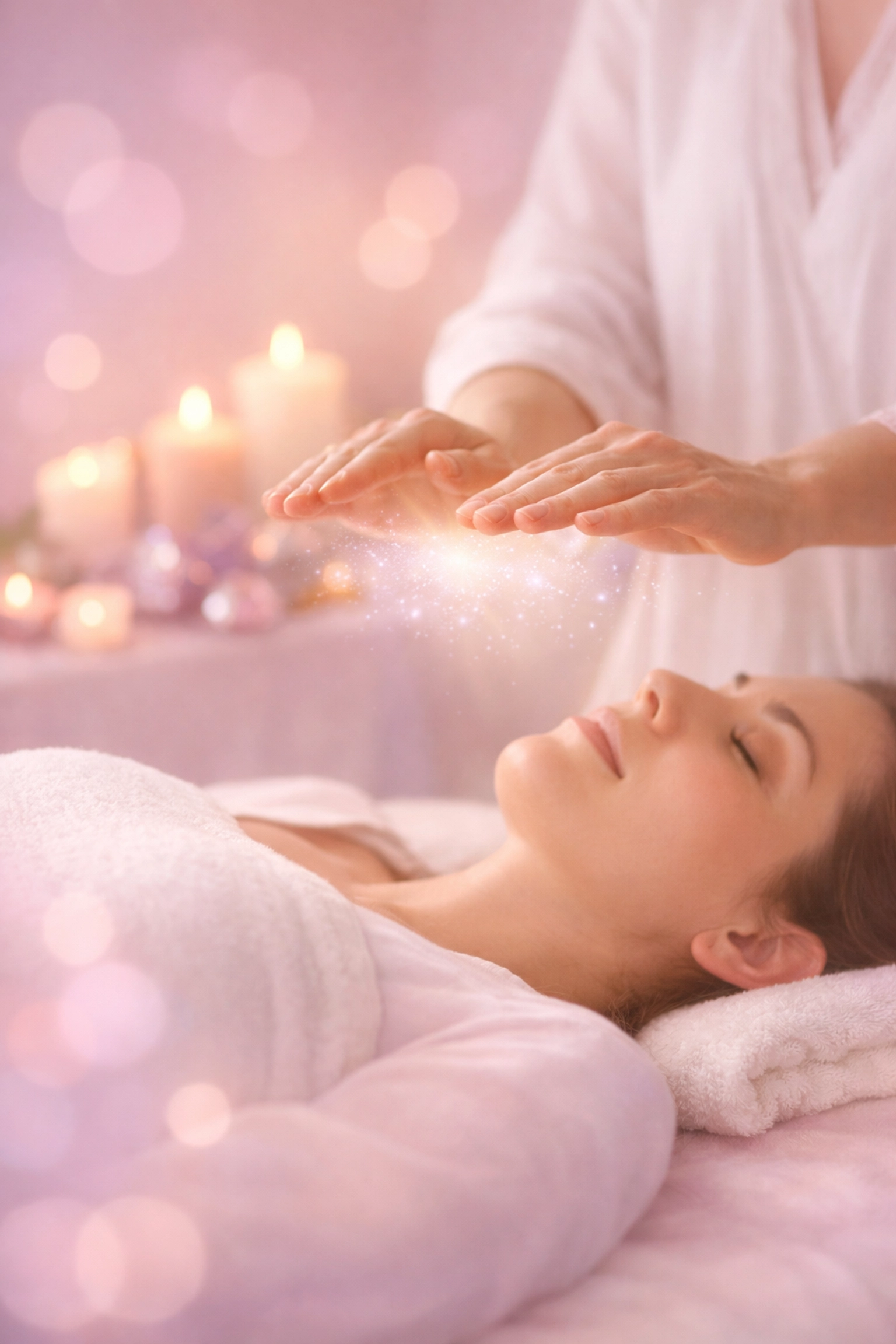
Reiki (pronounced “ray-key”) is a form of energy healing that originated in Japan in the early 20th century. The word translates to “universal life energy,” and the practice involves a trained practitioner gently placing their hands on or above your body to support the flow of energy.
Think of it as a reset button for your energy system. While you remain fully clothed and simply rest on a massage table, the practitioner works to help balance your body’s natural energy centres.
Unlike massage therapy, Reiki doesn’t involve manipulation of muscles or tissues. Instead, it’s about creating space for your body to shift into a more relaxed state: one where healing and restoration can naturally occur.
💆♀️ How Reiki Supports Your Nervous System
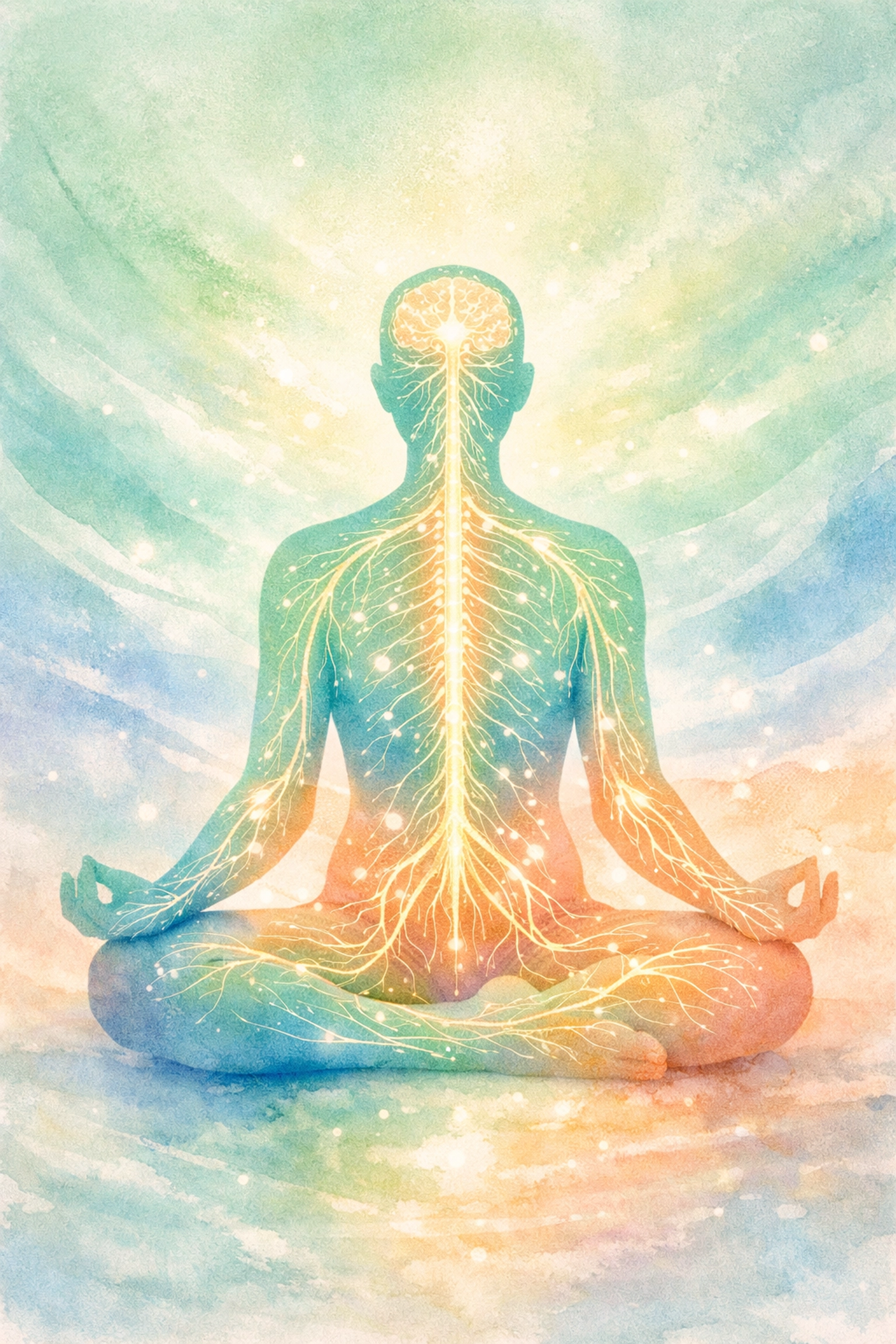
Your nervous system operates in two primary modes: the sympathetic (“fight or flight”) and parasympathetic (“rest and digest”). When you’re anxious, your body gets stuck in that fight-or-flight mode: heart racing, muscles tense, mind spinning.
The Shift from Stress to Calm
During a Reiki session, something interesting happens. Your body begins to shift from that stressed state into a more relaxed one. This isn’t magic: it’s your parasympathetic nervous system kicking in.
Research suggests that Reiki healing may support this shift by:
- Encouraging deep relaxation – As you rest quietly, your body naturally begins to unwind
- Supporting emotional release – Many people report feeling lighter after sessions, as though emotional weight has been lifted
- Promoting mindfulness – The focused attention during a session helps anchor you in the present moment
- Creating a sense of balance – Reiki works with your body’s natural energy flow, supporting overall wellbeing
What Happens in Your Body
When you’re in that relaxed state, several things may occur:
- Your heart rate may slow down
- Blood pressure might decrease
- Muscle tension can ease
- Breathing becomes deeper and more natural
- Stress hormone levels may reduce
Again, Reiki isn’t a medical intervention: it’s a wellness practice that creates conditions for your body to do what it does best: find its own balance.
✨ What to Expect During a Reiki Session
If you’re considering trying Reiki for the first time, here’s what a typical session looks like.
Before Your Session
Your practitioner will have a brief chat with you about what’s brought you in and what you’re hoping to experience. There’s no need to share anything you’re not comfortable with: this is your time.
You’ll remain fully clothed (wear something comfortable), and you’ll lie down on a padded table in a quiet, peaceful space. Some practitioners play gentle music or use aromatherapy to enhance the calming atmosphere.
During the Session
Most sessions last between 45 to 90 minutes. Your practitioner will gently place their hands on or just above various points on your body: typically starting at your head and working down.
You might feel:
- A gentle warmth or tingling sensation
- Deep relaxation (some people even fall asleep!)
- A sense of floating or lightness
- Emotional sensations as tension releases
- Simply peaceful and still
There’s no “right” way to experience Reiki. Whatever you feel is perfectly valid.
After Your Session
Many people report feeling deeply relaxed, sometimes even a bit spacey or drowsy. Give yourself time to transition back: have some water, sit quietly for a moment, and avoid rushing off immediately if possible.
Some people notice benefits right away, while others find the effects build gradually over multiple sessions.
📊 What the Research Suggests
While Reiki is a complementary wellness practice rather than a medical treatment, there’s growing research interest in its potential benefits.
A meta-analysis reviewing 13 studies with 824 participants found that Reiki sessions were associated with reduced anxiety levels. The research suggested that:
- Short-term sessions (3 or fewer) showed positive effects
- Moderate frequency (6-8 sessions) appeared most effective
- Diverse populations reported benefits, including people with chronic conditions, college students, and older adults
It’s worth noting that Reiki seems to work cumulatively: regular sessions tend to support better long-term results than one-off treatments.
Participants across various studies reported:
- Feeling less depressed
- Experiencing improved mood
- Feeling relaxed during and after sessions
- A greater sense of emotional balance
Remember, these studies looked at Reiki as a complementary practice, not a replacement for professional mental health support.
🙏 How Reiki Complements Your Wellness Journey
Think of Reiki as one tool in your wellness toolkit. It works beautifully alongside other practices you might already be doing.
Reiki Pairs Well With:
Mindfulness and meditation – The relaxed state during Reiki can deepen your meditation practice
Talk therapy – Many people find Reiki helps them process emotions that arise in counselling
Yoga and movement – The energy work can complement your physical practice
Good sleep hygiene – Regular sessions may support better rest
Healthy lifestyle choices – Reiki encourages overall body awareness and self-care
When to Consider Reiki Healing
You might explore Reiki if you’re:
- Feeling overwhelmed by daily stress
- Looking for gentle ways to support emotional wellbeing
- Seeking relaxation techniques that don’t require you to “do” anything
- Interested in holistic wellness practices
- Open to trying complementary approaches alongside conventional care
🔮 Finding the Right Reiki Practitioner
Not all Reiki practitioners are the same, and finding someone you feel comfortable with matters.
Questions to Consider:
1️⃣ What training have they completed? Look for practitioners with recognised Reiki certifications (typically levels I, II, and Master/Teacher).
2️⃣ Do they create a comfortable environment? Trust your intuition: you should feel safe and relaxed in their space.
3️⃣ How do they approach the practice? A grounded practitioner will be clear that Reiki complements wellness rather than replacing medical care.
4️⃣ What do their reviews say? Other clients’ experiences can give you insight into what to expect.
Using Spiritual Maps to Find Your Practitioner
Spiritual Maps makes it easy to discover verified Reiki practitioners in your area across Australia. You can browse profiles, read reviews from real clients, and book sessions directly through the platform.
Whether you’re in Melbourne, Sydney, Brisbane, or regional Australia, you’ll find experienced practitioners who align with your needs. The platform’s verification system helps ensure you’re connecting with qualified professionals.

🌟 Getting Started with Reiki Healing
If you’re curious about trying Reiki for yourself, here’s a simple approach:
Start with an open mind – You don’t need to believe in anything specific for Reiki to support relaxation
Book a single session first – See how you feel before committing to a series
Give yourself time – Schedule your first session when you don’t need to rush off afterward
Stay hydrated – Drink plenty of water before and after your session
Notice what shifts – Pay attention to how you feel in the hours and days following
Consider a short series – If you enjoy your first session, research suggests 3-6 sessions may offer cumulative benefits
Creating Your Wellness Routine
Reiki doesn’t need to be an isolated practice. Many people find it most beneficial when woven into a broader wellness routine that might include:
- Regular movement or gentle exercise
- Adequate sleep and rest
- Nourishing food choices
- Time in nature
- Connection with supportive people
- Professional support when needed
The beauty of Reiki is that it doesn’t require anything from you except showing up and allowing yourself to rest.
💖 Your Next Step Toward Calm
Anxiety can feel overwhelming, but remember: you have options. Reiki healing offers a gentle, non-invasive way to support your body’s natural ability to find balance and calm.
Whether you’re dealing with everyday stress or seeking complementary support for your overall wellbeing, Reiki provides a peaceful space to simply be.
Ready to explore what Reiki might offer you? Browse verified practitioners on Spiritual Maps and take that first step toward supporting your nervous system in a new way.
Your journey to greater calm and balance is waiting. Why not give yourself the gift of deep relaxation today?