
Sound Healing: Guide to Frequency Therapy
You’ve probably heard the term “sound healing” floating around wellness circles, maybe even searched “sound healing near me” late one night when you couldn’t sleep. But what actually is it? And more importantly, could it help you feel more grounded, relaxed, or balanced?
Let’s break it down in simple terms. No jargon. No mystical mumbo-jumbo. Just the real deal on how frequency therapy works and how you can experience it for yourself.
🎵 What Is Sound Healing, Really?
Sound healing (also called frequency therapy) is an ancient practice that uses specific sound vibrations to help your body and mind relax, reset, and heal. Think of it like a massage, but for your nervous system.
Instead of touch, practitioners use instruments like singing bowls, tuning forks, gongs, or even recorded frequencies to create vibrations that influence your brainwave patterns. These vibrations can help you shift out of stress mode and into a state of deep calm.
It’s not magic. It’s physics. Sound is vibration, and vibration affects matter, including your body and brain.
🧠 How Does Sound Healing Actually Work?
Here’s where it gets interesting. Your brain operates at different frequencies depending on what you’re doing. When you’re stressed, your brainwaves are racing. When you’re meditating, they slow down.
Sound healing works through a process called brainwave entrainment, basically, your brain syncs up with the external sound frequencies it’s exposed to.
Here’s how different frequencies affect you:
- Delta waves (1-4 Hz): Deep sleep and physical restoration
- Theta waves (4-8 Hz): Meditation, creativity, emotional release
- Alpha waves (8-13 Hz): Calm focus, stress reduction
- Beta waves (13+ Hz): Active thinking (or overthinking when excessive)
When you listen to or experience specific frequencies, your brain naturally starts to match them. It’s like tuning a guitar string, your nervous system responds to the vibration.
The Science Behind It
Certain sound frequencies can trigger the release of feel-good neurotransmitters like serotonin. They can also help synchronize brainwave patterns, leading to better focus, improved mood, and a sense of tranquility.
No, it won’t cure everything. But yes, it can genuinely support your mental and physical wellbeing when used consistently.
🎶 What Tools Do Sound Healers Use?
If you’re searching for “sound healing near me,” you’ll likely encounter practitioners using a variety of instruments. Here are the most common:
Singing Bowls
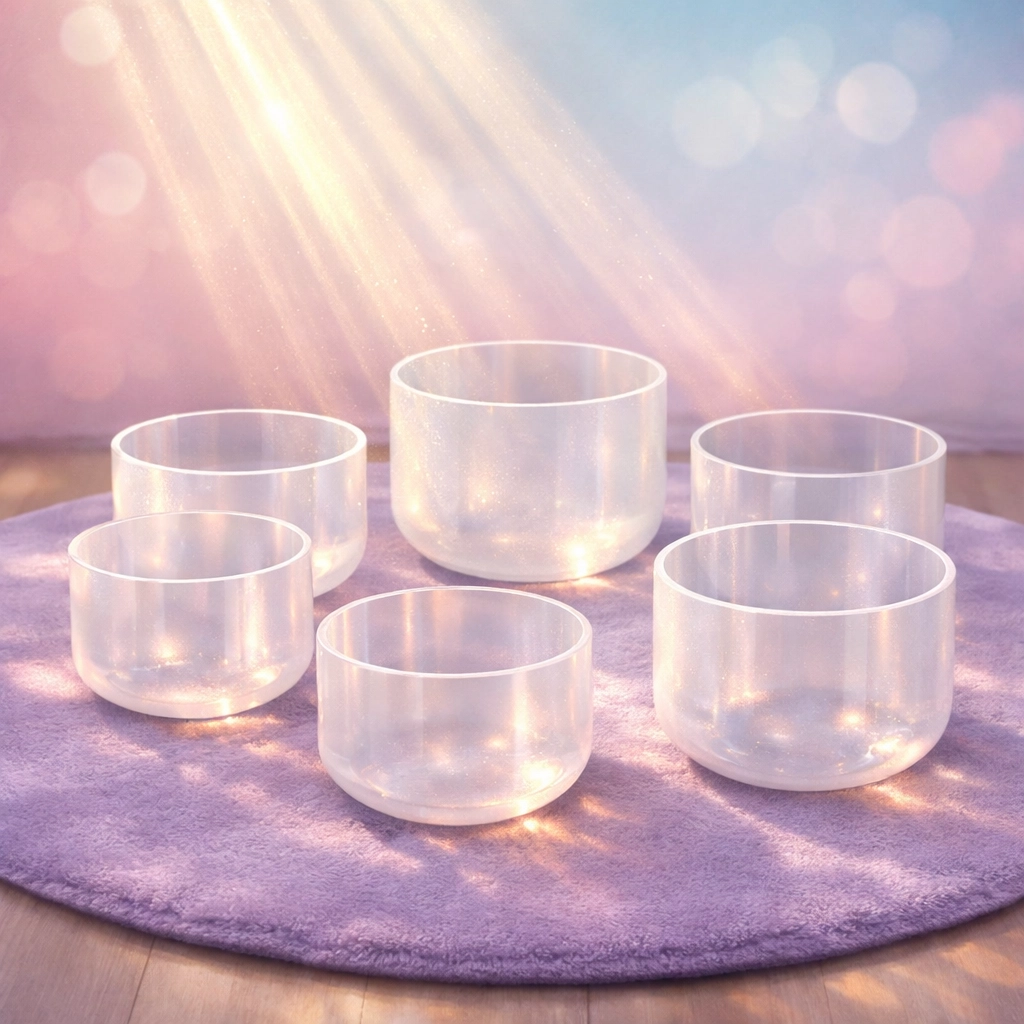
These metal or crystal bowls produce rich, harmonic tones when struck or rubbed with a mallet. They’re often used in sound baths: group sessions where you lie down and let the vibrations wash over you.
Tuning Forks
These are struck to emit specific healing frequencies, then placed near or on the body. Some practitioners use them on acupressure points for a more targeted approach.
Gongs
Large, immersive instruments that create powerful vibrations. Gong baths are especially popular for deep relaxation and emotional release.
Binaural Beats
These are audio tracks that play different frequencies in each ear. Your brain perceives a third frequency: the difference between the two: which can guide your brainwave state.
Solfeggio Frequencies
Ancient healing tones (like 396 Hz, 528 Hz, 639 Hz) that are each associated with specific benefits. For example, 528 Hz is linked to transformation and DNA repair, while 639 Hz supports emotional balance and relationships.

💆 What to Expect in Your First Sound Healing Session
Curious about trying it? Here’s what typically happens when you book a session with a local sound healer:
Before the Session
Your practitioner will usually ask about your intentions: what you’re hoping to experience or release. Maybe you’re dealing with anxiety, insomnia, or just need a reset. This helps them tailor the session to your needs.
During the Session
You’ll lie down on a mat or massage table (fully clothed, don’t worry). Some practitioners dim the lights or use candles. Then the sounds begin.
You might feel subtle vibrations in your body. Some people experience tingling, warmth, or emotional releases like tears. Others simply fall into a deeply relaxed state: almost like lucid dreaming.
There’s no “right” way to experience it. Whatever happens for you is valid.
After the Session
Many people feel calm, grounded, and a bit spacey (in a good way). You might sleep better that night or notice a shift in your mood over the following days.

🏡 How to Find Sound Healing Near You
So you’re ready to experience this for yourself. Where do you start?
1️⃣ Use a Wellness Directory
Platforms like Spiritual Maps make it easy to find vetted sound healing practitioners in your area. You can browse profiles, read reviews, and book sessions directly: all in one place.
2️⃣ Check Local Wellness Centers
Yoga studios, meditation centers, and holistic health clinics often host sound baths or offer private sound therapy sessions.
3️⃣ Look for Workshops and Events
Many sound healers offer group experiences, which are usually more affordable than one-on-one sessions. They’re also a beautiful way to experience collective healing energy.
4️⃣ Ask the Right Questions
When you’re vetting practitioners, consider asking:
- What instruments do you use?
- How long have you been practicing sound healing?
- What should I expect in a session with you?
- Do you offer in-person or virtual sessions?
Trust your intuition. If someone’s energy feels right, that’s a good sign.
🎧 Getting Started at Home
You don’t need to book a session right away. You can start exploring sound healing on your own with minimal equipment.
Passive Listening
Play healing frequencies quietly in the background while you journal, meditate, stretch, or fall asleep. YouTube and Spotify have thousands of tracks dedicated to specific frequencies.
Active Listening with Breathwork
Set aside 10-15 minutes. Lie down, play a frequency-aligned track, and breathe slowly and deeply. You might visualize the sound moving through your body, clearing away tension or stress.
Tools You’ll Need
- Headphones or a good speaker
- A quiet, comfortable space
- An open mind
Set an Intention
Before you begin, clarify what you’re seeking. Relaxation? Emotional release? Better focus? Your intention guides the experience.
🌿 The Key to Success: Consistency
Like any wellness practice, sound healing works best when you’re consistent. You probably won’t have a life-changing experience after one 10-minute session (though some people do).
Start small. Try listening to healing frequencies a few times a week. Notice how you feel. Gradually build up to regular sessions: whether at home or with a practitioner.
Over time, many people report improvements in:
- Sleep quality
- Mood and emotional regulation
- Focus and mental clarity
- Physical tension and pain
- Overall sense of wellbeing
✨ Ready to Explore Sound Healing?
Whether you’re dealing with stress, seeking deeper relaxation, or simply curious about frequency therapy, sound healing offers a gentle, accessible way to support your wellness journey.
The vibrations are waiting. Your nervous system is ready. All you need to do is listen.
Start by exploring local practitioners on Spiritual Maps: you might be surprised how many talented sound healers are right in your neighborhood, ready to guide you into a state of deep peace.