
Benefits of Reiki: How Energy Healing Can Support Your Wellness Journey
Reiki isn’t about magic or quick fixes. It’s a gentle, grounded practice that works with your body’s natural ability to heal itself. And finding the right practitioner in your local area can make all the difference.
Let’s explore what Reiki actually is, how it supports your wellbeing, and why connecting with a local practitioner might be exactly what you need right now.
🌿 What Is Reiki?
Reiki is a Japanese energy healing technique that’s been practised for over a century. The word itself breaks down into “rei” (universal) and “ki” (life force energy): the same energy concept you might know as “chi” or “prana.”
Here’s the grounded truth: everything in our bodies is energy. When that energy flows freely, we tend to feel balanced and well. When it gets blocked or stagnant: often due to stress, trauma, illness, or emotional upset: we might experience pain, fatigue, anxiety, or disease.
Reiki practitioners act as channels for universal energy, using gentle hand placements on or just above your body to help clear blockages and restore balance. Think of it like giving your energy field a tune-up.

✨ How Does Reiki Actually Work?
You don’t need to “believe” in Reiki for it to work, which is part of what makes it so accessible. Your body knows what to do with the energy: you just need to show up and relax.
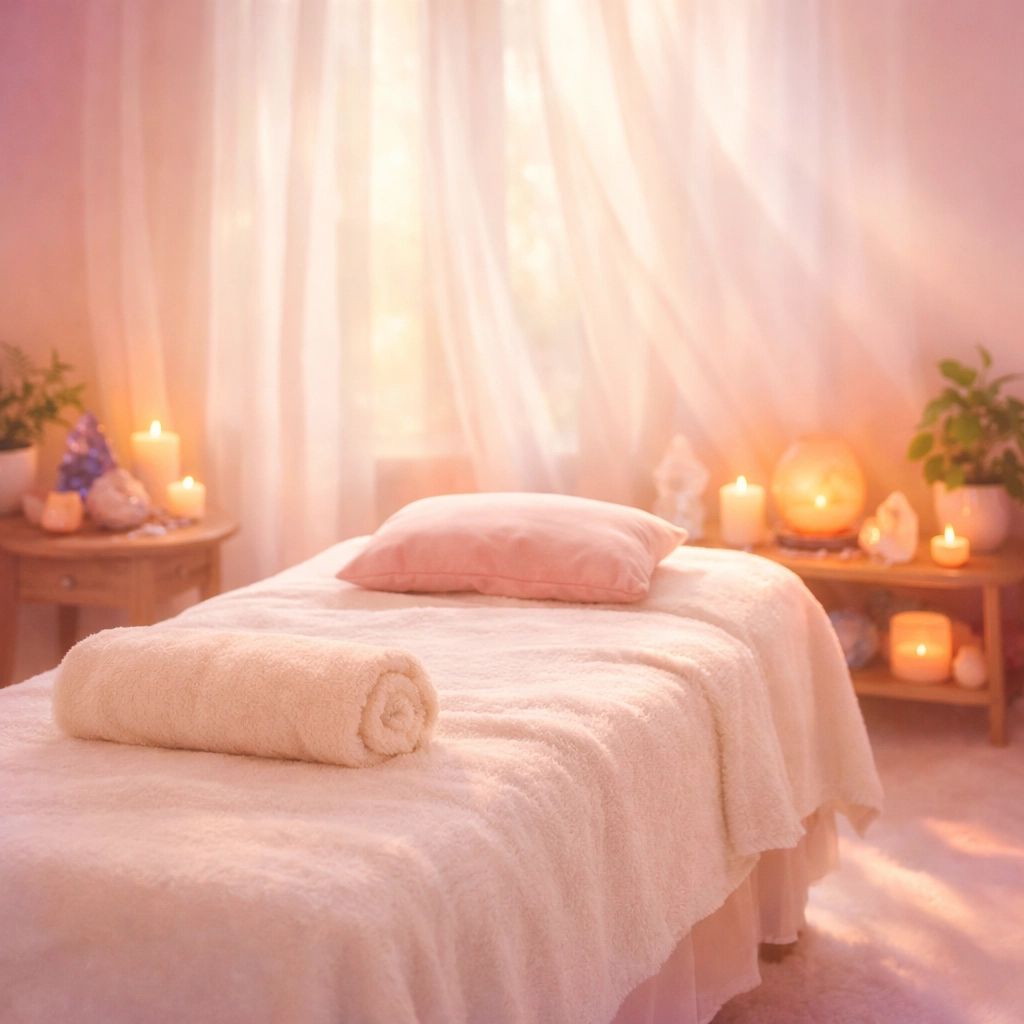
During a session, you’ll typically lie fully clothed on a massage table while your practitioner places their hands lightly on or above specific areas of your body. Some people feel warmth, tingling, or waves of relaxation. Others simply drift into a deeply peaceful state.
Here’s what’s happening beneath the surface:
Your nervous system shifts gears. Reiki naturally encourages deeper breathing, which signals your body to move from “fight or flight” mode into the parasympathetic “rest and digest” state. This is where your body does its best healing work.
Energy pathways clear. Like water finding its natural flow, the energy in your body begins to move more freely, releasing tension and stagnation.
Your body’s innate healing response activates. Reiki doesn’t heal you: it supports your body in healing itself, which is something it’s already brilliant at doing when given the right conditions.
💖 The Wellness Benefits of Reiki
Research is catching up with what practitioners and clients have known for years: Reiki offers real, measurable benefits for both physical and emotional wellbeing.
Physical Wellness Support
Pain management is one of the most studied benefits. Multiple studies show that Reiki is more effective than placebo for reducing pain in people with chronic conditions. It works through several pathways: relaxing tense muscles, reducing the emotional stress that amplifies pain, and shifting your pain perception.
People report improvement with:
- Fibromyalgia and chronic fatigue
- Headaches and migraines
- Lower back pain
- Menstrual cramps
- Post-surgery recovery
Better sleep is another common benefit. When your nervous system relaxes and your energy rebalances, sleep often improves naturally. Many clients find they sleep deeper and wake feeling more refreshed after regular Reiki sessions.

Mental and Emotional Balance
This is where Reiki really shines. A 2017 study found that Reiki provides significant psychological benefits, including:
- Reduced anxiety and depression through triggering your body’s natural relaxation response
- Improved emotional regulation so you can navigate life’s ups and downs with more ease
- Increased self-esteem and sense of inner peace
- Better stress management in daily life
Reiki creates space for emotional release in a safe, supported environment. You might find yourself processing feelings you didn’t even know you were holding onto.
🔮 What to Expect in Your First Reiki Session
If you’re new to energy healing, walking into your first session can feel a bit uncertain. Here’s what typically happens:
The consultation. Your practitioner will ask about your current wellness concerns, what you’re hoping to address, and any physical or emotional issues you’re experiencing. This helps them tailor the session to your needs.
The session itself. You’ll lie down fully clothed (wear something comfortable), and your practitioner will use gentle hand placements across your body: head, torso, limbs, and sometimes feet. Sessions usually last 60-90 minutes.
What you might feel. Experiences vary widely. Some people feel warmth, tingling, or gentle waves of energy. Others see colours or images. Many simply feel deeply relaxed or even drift off to sleep. All of these are completely normal.
After the session. You might feel energised, peaceful, emotional, or even a bit tired. Drink plenty of water and be gentle with yourself for the rest of the day. The energy continues to work for 24-48 hours after your session.
🙏 Why Finding a Local Reiki Practitioner Matters
You might wonder if it matters whether your Reiki practitioner is in Sydney, Melbourne, Brisbane, or your local suburb. While distant Reiki is certainly a thing, there are real benefits to working with someone local:
The in-person experience is different. Being physically present in the same space creates a unique energetic exchange. Many people find in-person sessions more powerful, especially when they’re new to energy healing.
You can build an ongoing relationship. Wellness is a journey, not a one-off event. When your practitioner is local, it’s easier to book regular sessions and develop a therapeutic relationship that deepens over time.
Supporting your local community. When you choose a practitioner near you, you’re supporting small businesses and building connections within your community.
It’s simply more convenient. No commute stress, no travel time: just show up, relax, and receive. This makes it easier to maintain a regular practice.
🌟 How to Find Quality Reiki Practitioners Near You
Here’s where your “reiki near me” search gets easier. Rather than scrolling through endless Google results or hoping the algorithm shows you the right person, platforms like Spiritual Maps make it simple to connect with verified practitioners in your area.
What to look for:
1️⃣ Proper training. Look for practitioners who’ve completed recognised Reiki training levels (typically Reiki I, II, and Master/Teacher levels).
2️⃣ Client reviews. Real feedback from real people helps you get a sense of what working with a practitioner is actually like.
3️⃣ Clear communication. A good practitioner will be transparent about what Reiki is and isn’t, their approach, and what you can expect.
4️⃣ Your intuition. Sometimes you just know when someone feels like the right fit. Trust that feeling.
Questions to ask before booking:
- What level of Reiki training have you completed?
- How long have you been practising?
- What can I expect in a session with you?
- Do you specialise in any particular areas (pain management, emotional healing, etc.)?
- What are your rates and session lengths?
💫 Reiki as Complementary Wellness Support
Here’s something important to understand: Reiki works beautifully alongside traditional medical care, not instead of it.
Think of it as part of your wellness toolkit. You might see your GP for physical health concerns, a psychologist for mental health support, a physiotherapist for injury recovery: and a Reiki practitioner to support your body’s natural healing processes and maintain energetic balance.
Many hospitals and healthcare settings around Australia now offer Reiki as a complementary therapy, recognising its value in supporting patient wellbeing, reducing anxiety, and managing pain.
The key is integration. The most effective wellness approach often involves multiple modalities working together to support your whole self: body, mind, and spirit.
🌱 Getting Started with Your Reiki Journey
If you’re feeling drawn to explore Reiki, there’s no time like the present. Your body and your intuition already know whether this practice might support you.
Start by exploring verified practitioners in your area through Spiritual Maps. You can filter by location, read reviews, and get a feel for different practitioners’ approaches before reaching out.
Book a single session first: there’s no pressure to commit to anything more. Notice how you feel during and after the session. Does your body feel more relaxed? Is your mind quieter? Do you sleep better that night?
Trust your experience. If Reiki resonates with you, consider making it a regular part of your wellness routine. Many people find that monthly or fortnightly sessions help them maintain balance and manage life’s stresses with more ease.
Your wellness journey is uniquely yours. Whether you’re dealing with specific health challenges or simply seeking deeper peace and balance, Reiki offers a gentle, grounded path toward supporting your body’s natural wisdom.
Ready to find a Reiki practitioner near you? Your next step toward balanced, supported wellbeing is just a search away.